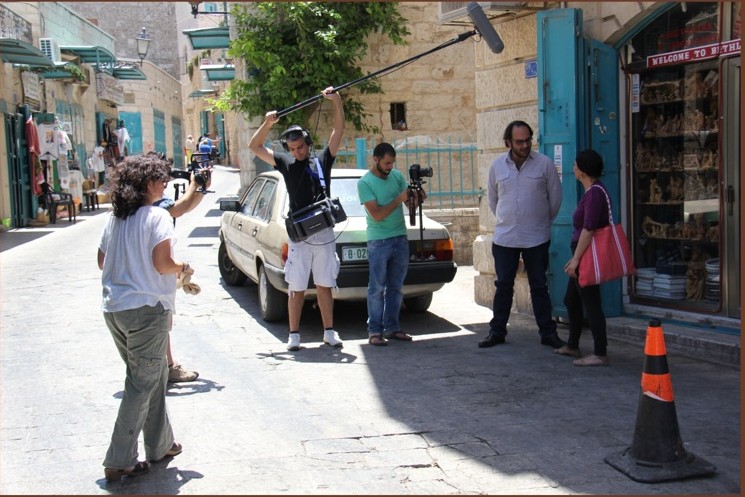
A film crew documenting stories within a lived heritage landscape

Ecological Storytelling

Shared programme method

Tell environmental change through lived experience.

Heritage Ecology Journeys brings together ecological memory, living landscapes, water-related heritage, transoceanic routes and community-based environmental storytelling. It connects cultural and natural heritage without reducing heritage to environment alone.

Ecological Storytelling is the shared method within that work. It starts with people’s relationships to land, water, trees, neighbourhoods and routes, then develops films, oral histories, personal videos, maps, photographs and digital stories that communities can use and share.

A meaningful environmental story records not only what is changing, but what that change means to the people who live with it.

Method aims

  • Place community knowledge and lived experience at the centre.
  • Connect environmental change to memory, identity and belonging.
  • Use creative and digital forms without separating stories from their context.
  • Return documentation in accessible forms that communities can use.
Working approach

From listening to public exchange

The form of each story follows the place, the people involved and how they want the material to be used.

01Listen

Begin with relationships

Identify the memories, practices and environmental questions that matter locally.

02Document

Choose a useful form

Work with film, voice, images, maps or personal testimony according to context and consent.

03Connect

Trace the wider routes

Relate local stories to migration, trade, climate, conflict and other regional or global processes.

04Return

Make stories usable

Share outputs through community archives, screenings, exhibitions, learning resources and digital platforms.

Projects and examples

Stories rooted in place

Different media make visible the connections between environmental change, memory and everyday life.

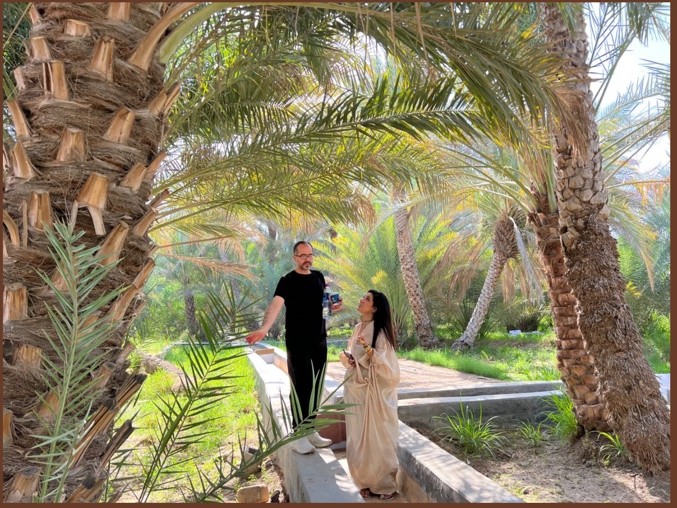
TreeRouted filming beneath palm trees
Personal videoGlobal

TreeRouted

Trees become living archives through stories of family, migration, routes, conflict, care and climate change.

View project ↗
Filming The Golden Harvest
Feature filmMediterranean

The Golden Harvest

Ancient olive trees open a story about family, memory, labour, conflict and a shared Mediterranean landscape.

View film project ↗
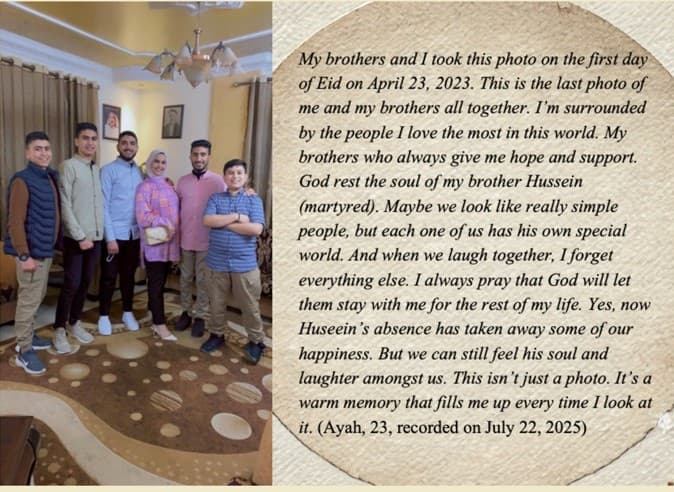
Digital storiesGaza

Where My Street Remains

Personal photographs and testimony document how displacement reshapes home, memory and the relationship to place.

View project ↗
Community heritageMozambique

Ilha de Moçambique

Community perspectives, oral histories and digital documentation connect living heritage with coastal change and World Heritage.

View project ↗
Community voices contributing memories and stories of place

Ethics and care

Stories remain connected to the people who carry them.

CIE’s storytelling work is collaborative. Questions of consent, authorship, context, access and long-term care are considered throughout documentation and presentation.

HeritageLab supports the process; Heritage Futures develops creative public forms; EduHub helps translate the work into learning resources.

Discuss a storytelling collaboration ↗