Skip to content
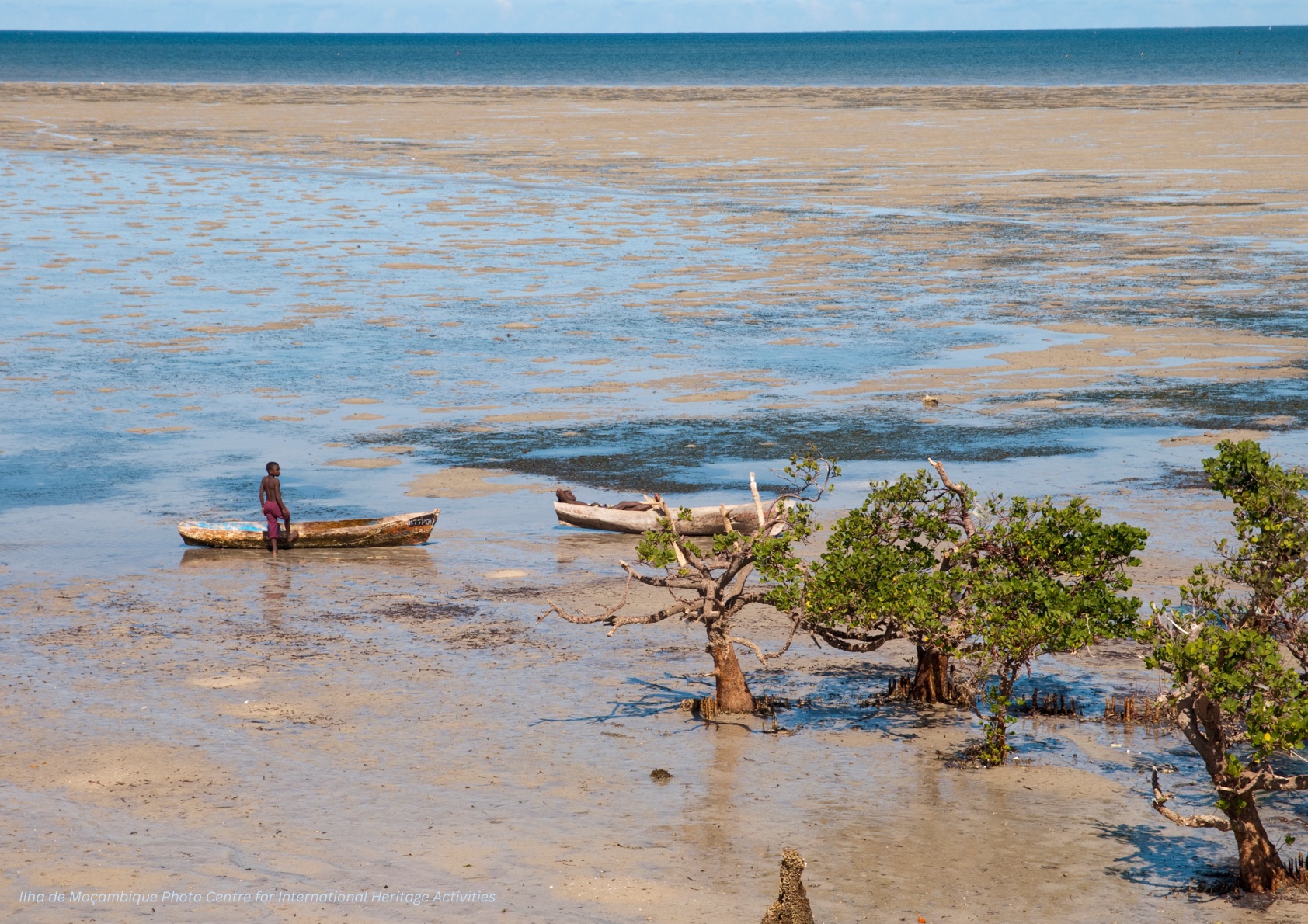
Coastal maritime landscape on Ilha de Moçambique

Mozambique Maritime & Community Heritage

Long-term project story

Protection grew into participation.

CIE’s work on Ilha de Moçambique developed from underwater archaeology training and the protection of historic wrecks into a broader programme of archaeological research, community dialogue and public storytelling.

Community members, heritage managers and university students gained skills in documentation and advocacy. Their work contributed to ending commercial salvage of historic wrecks in 2015. The programme then shifted toward research and toward extending the island’s public narrative beyond the official values of the World Heritage designation.

The island’s history is not one authorised story, but a landscape of memories, routes and lived perspectives.
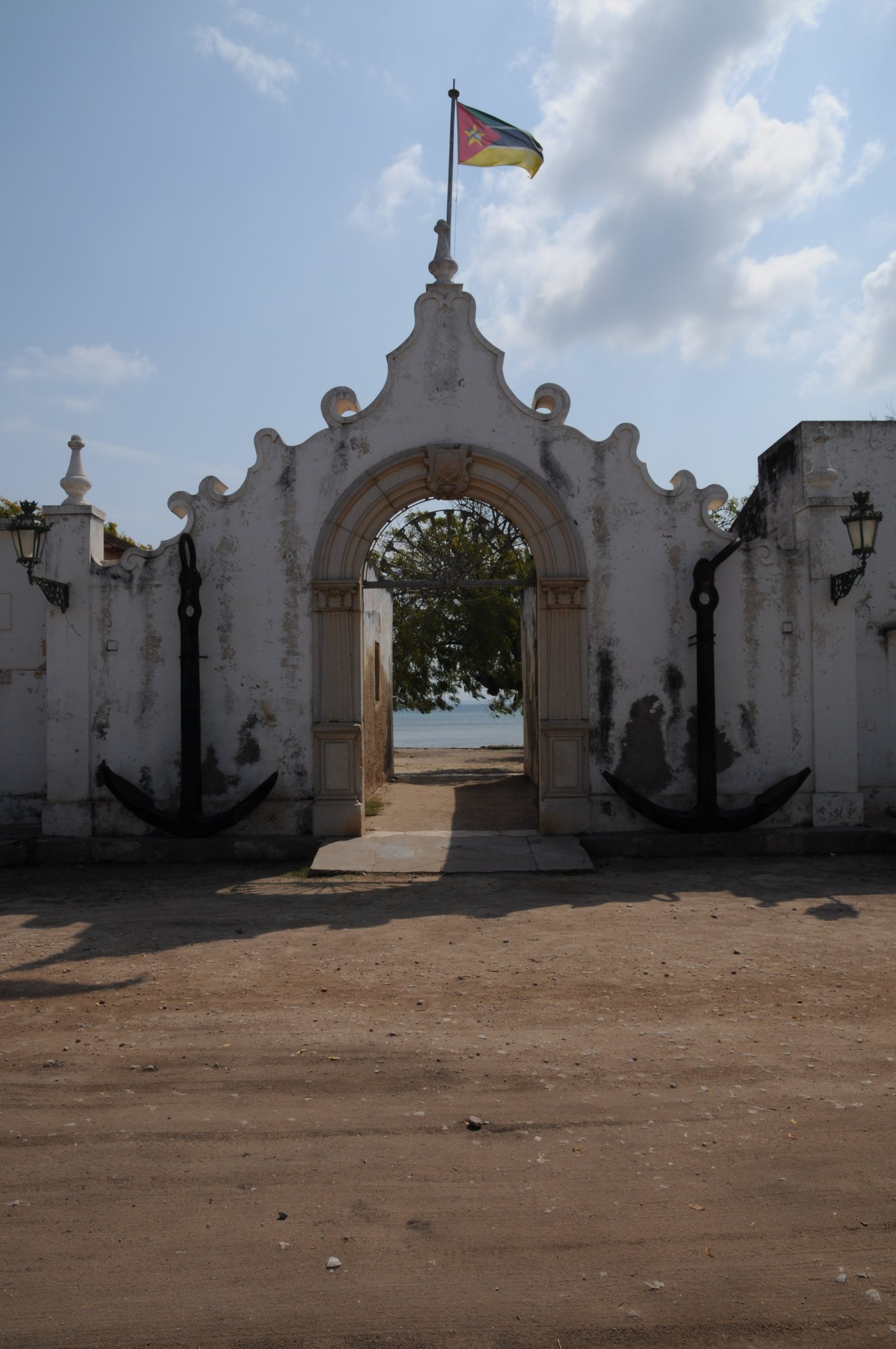
Historic gateway opening toward the water on Ilha de Moçambique

Community narrative

Ofikiri means reflections.

In 2018 young volunteers and CIE researchers created the Ofikiri exhibition in the island’s macuti area. Panels placed along a main street brought research narratives into everyday public space and invited curiosity, recognition and debate.

The project helped establish a Youth Heritage Group and collected video profiles of volunteers, creating a foundation for later Co-Lab methods.

Project timeline

From skills to shared stories

A decade-long line of research, advocacy and community participation.

2008–13

Community training

Heritage managers, local stakeholders and archaeology students developed skills in maritime archaeology and heritage management.

2015

Protection through advocacy

Programme participants formed a core of activists whose advocacy contributed to halting commercial salvage around the island.

2015–17

Survey and assessment

Magnetometer survey, wreck assessments and ethnographic research supported planning while widening the historical frame.

2018

Ofikiri in public space

Youth volunteers, local leaders and researchers presented community narratives through an exhibition and public conversation.

2019+

A Co-Lab foundation

The youth network, media collection and community partnerships became part of the longer HeritageLab methodology.

Continuing legacy

What the work made possible

Practical protection and community authorship became parts of one heritage process.

01

Local skills

Training created a local base for documentation, research and long-term heritage stewardship.

02

Policy change

Community advocacy helped stop damaging commercial recovery of material from historic wreck sites.

03

Youth voice

Young residents became researchers, presenters and ambassadors for heritage defined in their own terms.

04

Living platform

The work helped shape the community-owned, map-based methodology later developed through HeritageLab.

Connect a community story to a wider ocean world.

Connect
with CIE